


Mud volcanoes are among the Earth’s most intriguing and unconventional geological phenomena. These mesmerizing pools of mud provide a glimpse into the planet’s dynamic surface processes. Unlike magma volcanoes, mud volcanoes can be recognized as bubbling pits or vents formed by the eruption of mud, gas, and water. By tossing mud everywhere, they create otherworldly landscapes, captivating both scientists and travelers alike. From the desolate plains of Azerbaijan to the tropical settings of Indonesia, mud volcanoes present a unique mix of beauty and mystery. Put your goggles on and get ready to get dirty in this global tour to the most fascinating mud volcanoes around the world.
. –
.
11. New Zealand’s North Island
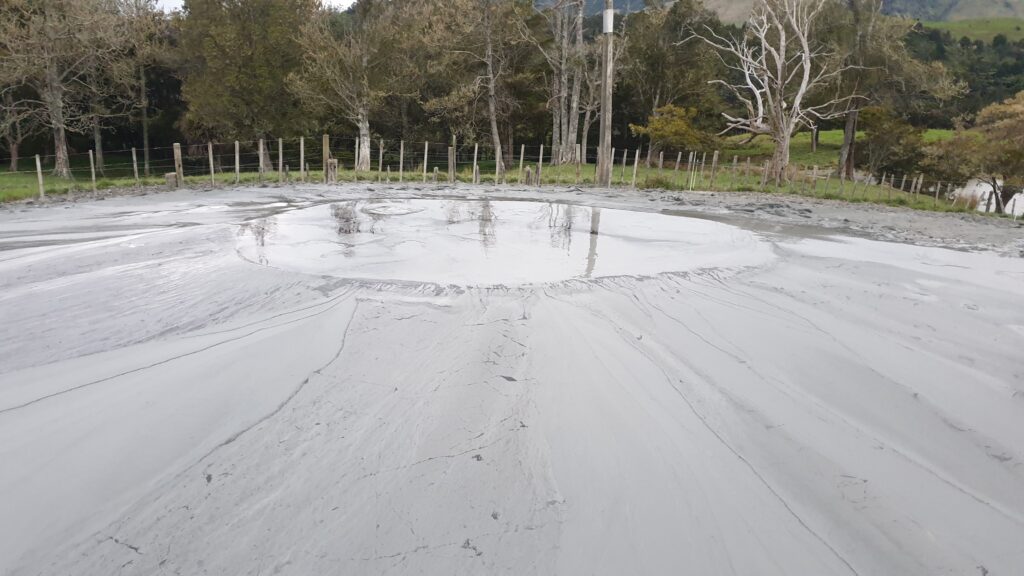
There are 11 mud volcanoes in New Zealand. Located primarily on the North Island, these mud volcanoes are smaller and less explosive than their counterparts around the globe. Typically forming low, simmering domes, they quietly bubble and ooze mineral-rich mud. One standout example is the Runaruna Mud Volcano.
10. Trinidad and Tobago
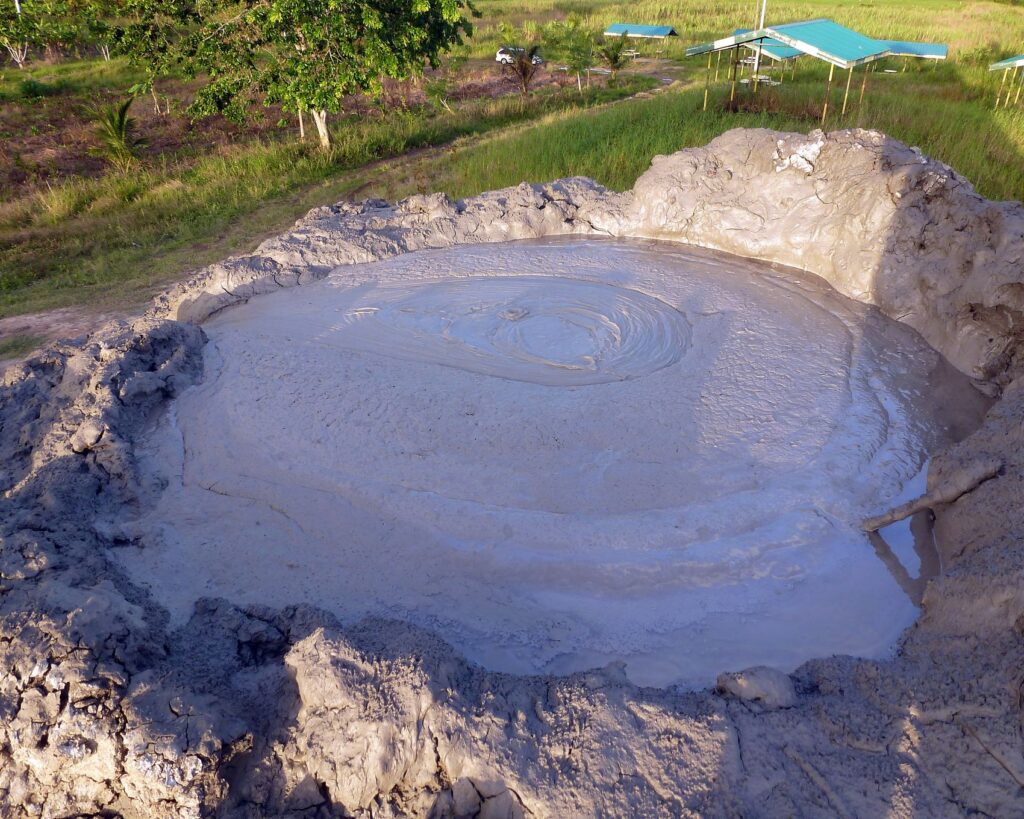
Trinadad and Tobago have around 44 mud volcanoes. They are primarily found in the southwestern region of Trinidad and are known for their constant bubbling with occasional eruptions of cool gray mud. The most famous, Piparo Mud Volcano, erupted dramatically in 1997, reshaping the landscape and capturing worldwide attention. In 1911, Erin erupted, shooting a flame 100 meters high. The flame lasted over 15 hours.
9. Colombia
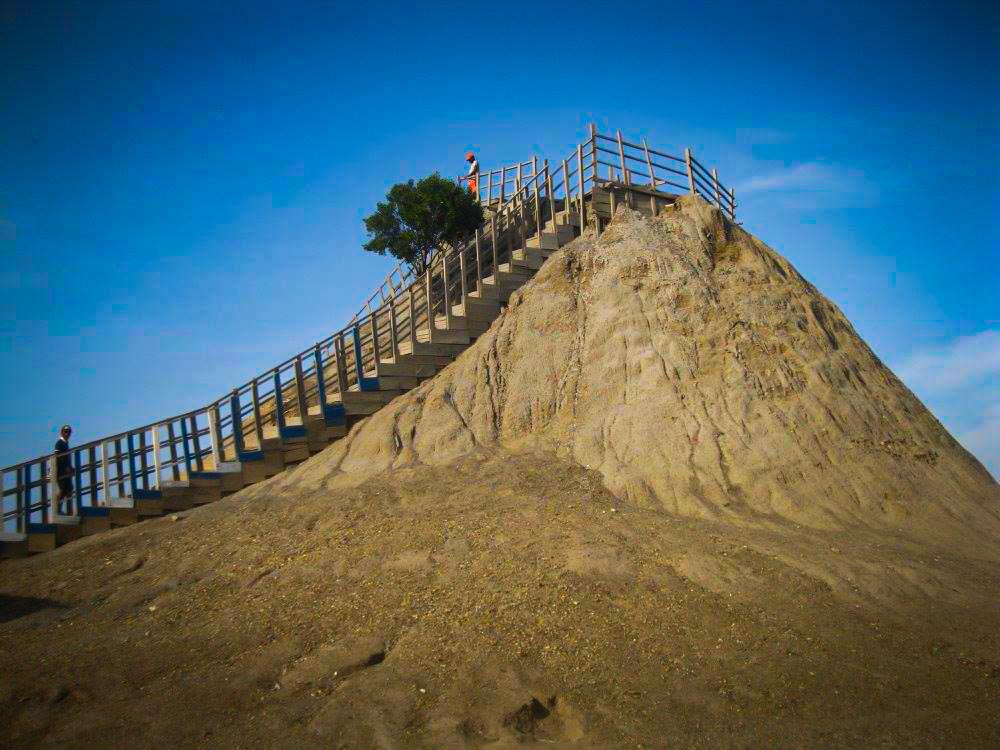
There are around 50 mud volcanoes in Colombia. By far the most famous is the Totumo Mud Volcano, located near Cartagena in the Bolivar region. Standing at around 15 meters (50 feet) high, Totumo is the perfect size for visitors can climb up and take a dip in the warm, mineral-rich mud, reputed to have therapeutic properties. The experience is both bizarre and delightful, as you float effortlessly in the dense mud while enjoying the lush tropical surroundings.
8. Taiwan
Taiwan has 20 mud volcanoes, found primarily in the southwestern region. Like those in Trinidad, these mud volcanoes are characterized by their continuous bubbling and occasional dramatic eruptions of cold, gray mud. One of the most notable is the Wushanting Mud Volcano, known for its periodic eruptions that can create small mudflows. The stark, otherworldly landscape created by the mudflows stands in striking contrast to Taiwan’s lush, green surroundings, making it a compelling destination.
-1_resize-1024x576.jpg)
7. Russia
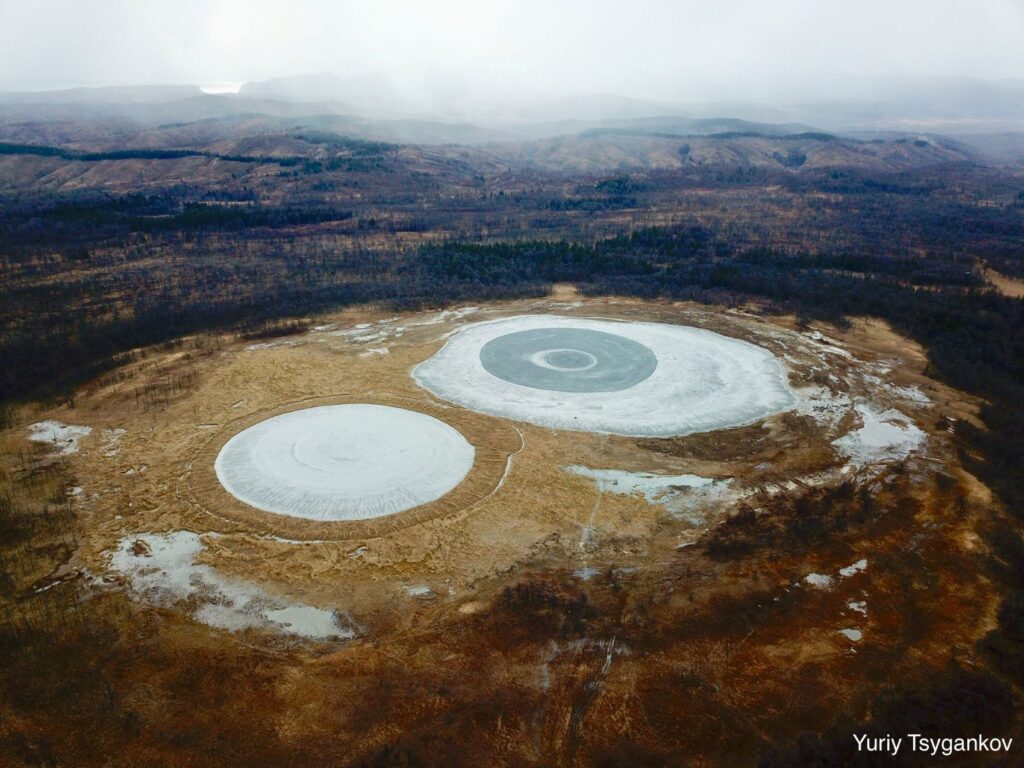
In total Russia has around 84 mud volcanoes on the Taman Peninsula and Sakhalin Island in the Pacific ocean. The Taman Peninsula is home to numerous mud volcanoes. The most famous being the Tizdar, where visitors can take therapeutic mud baths. Over on Sakhalin Island, the Pugachevskiy Mud Volcano stands out with its impressive size. It hosts frequent regular eruptions, creating a constantly changing, lunar-like landscape.
6. Ukraine
Ukraine has 46 mud volcanoes on the Kerch Peninsula of Crimea. Small craters and mounds dot the landscape, creating an otherworldly terrain. What makes these mud volcanoes special is their accessibility and the relatively calm, non-explosive nature of their activity. Visitors are able to get up close and personal with these fascinating features. The Bulganak Mud Volcanoes are particularly notable, featuring a field of small, active mud cones that constantly bubble and gurgle with mineral-rich mud.
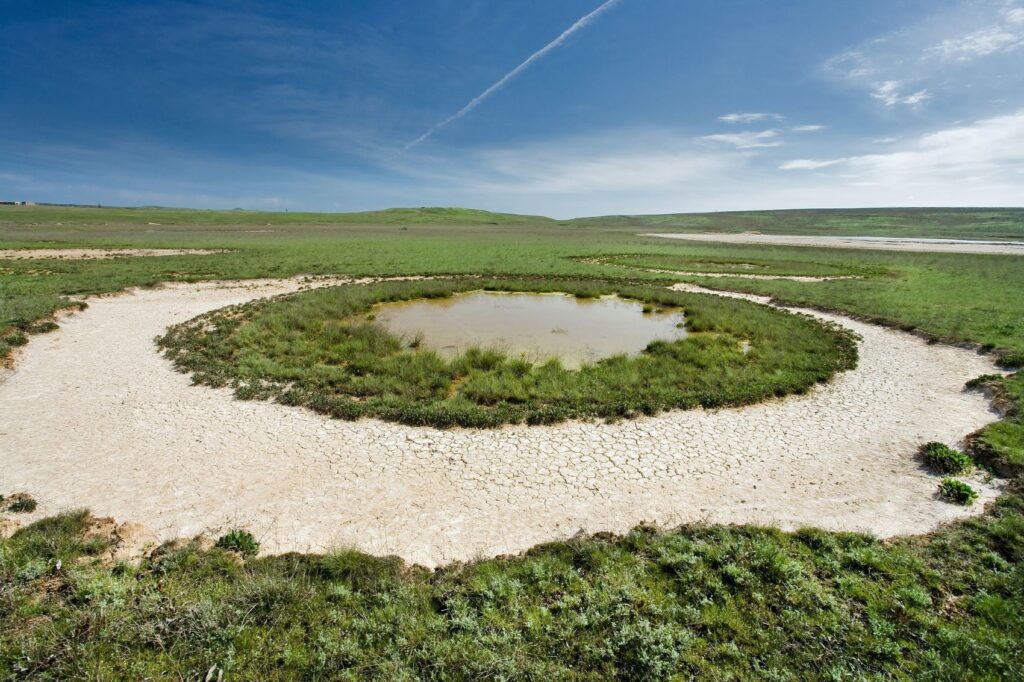
5. Romania
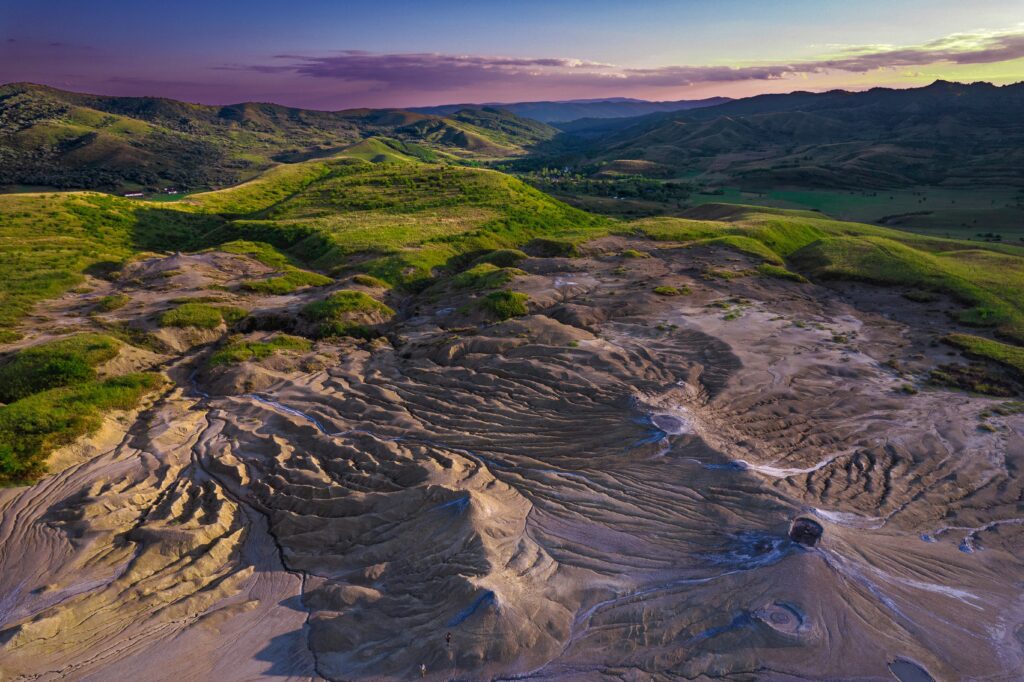
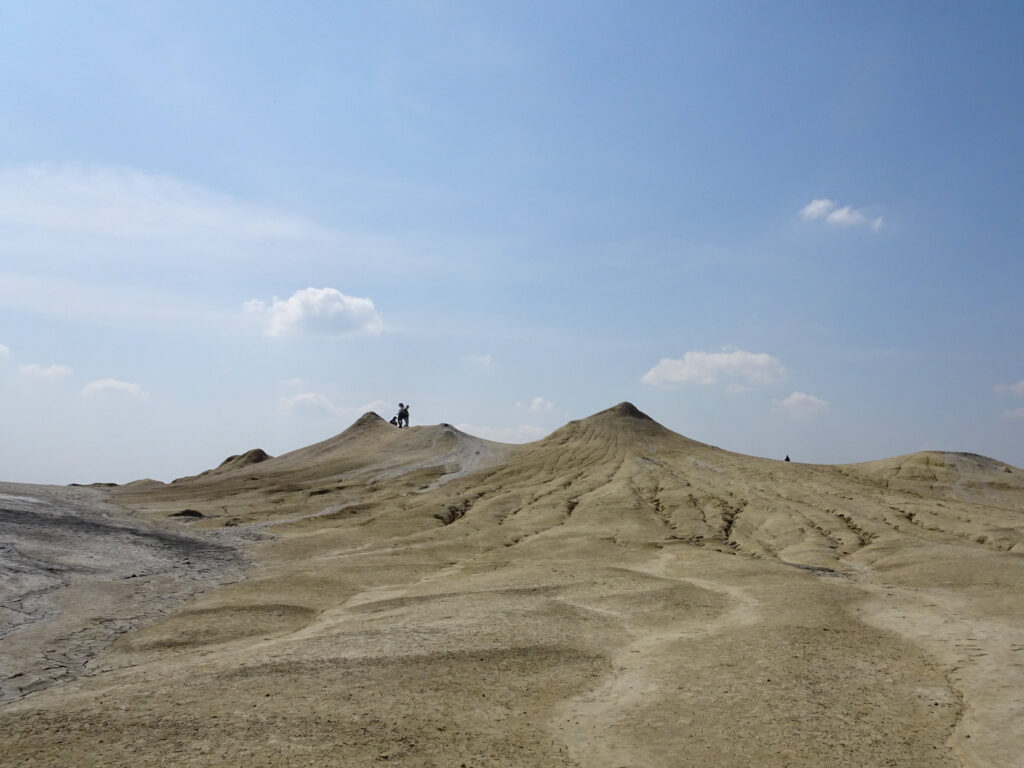
There are around 10 volcanoes in Romania, known as the “Vulcanii Noroioși”. The most prominent sites, Pâclele Mari and Pâclele Mici, feature a series of cones and craters that give the area a lunar-like appearance. What makes these mud volcanoes particularly special is the way they shape the surrounding terrain, forming unique and ever-changing patterns in the mud.
4. Georgia
Georgia has 15 mud volcanoes, also known as “mud pots”, in the eastern side of the country, bordering Azerbaijan. The Takhti – Tepa Mud Volcanoes in Vashlovani National Park are particularly renowned for their serene yet dynamic activity, with mud slowly oozing out of their cones and forming small pools of mineral-rich mud.

3. Pakistan
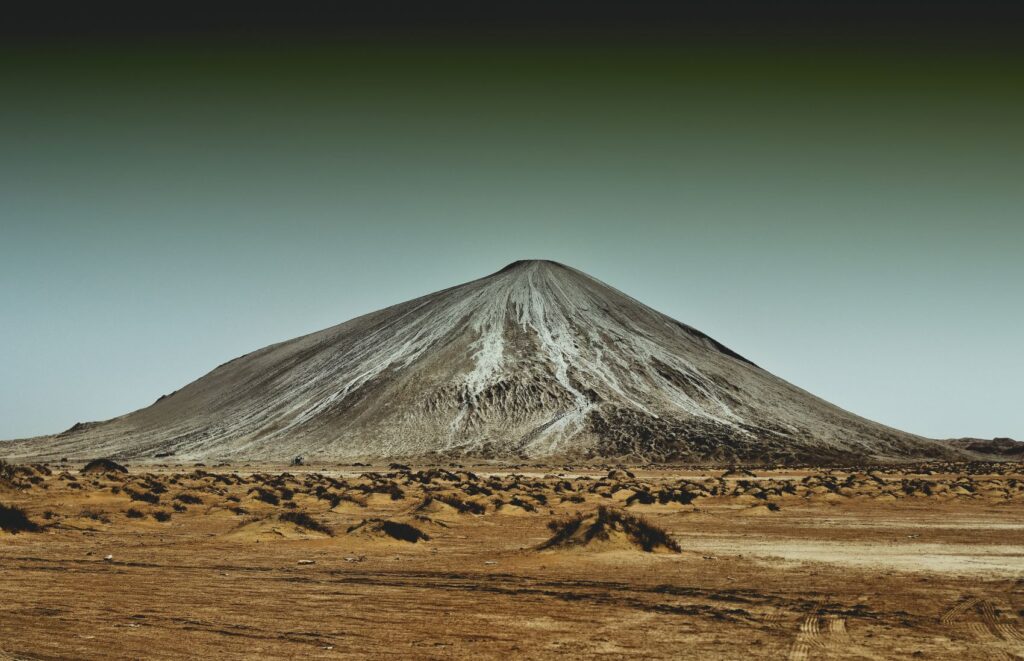
Pakistan’s 34 mud volcanoes are scattered around the country including the provinces of Balochistan, Sindh, and Dhok Pathan. The most famous mud volcanoes in Pakistan are located in Hingol National Park in Balochistan, where visitors can witness the periodic eruptions of mud and gas. The park includes Mud Mountain, a large mound formed by the continuous eruptions of mud over time, reaching heights of up to 100 feet.
2. Azerbaijan
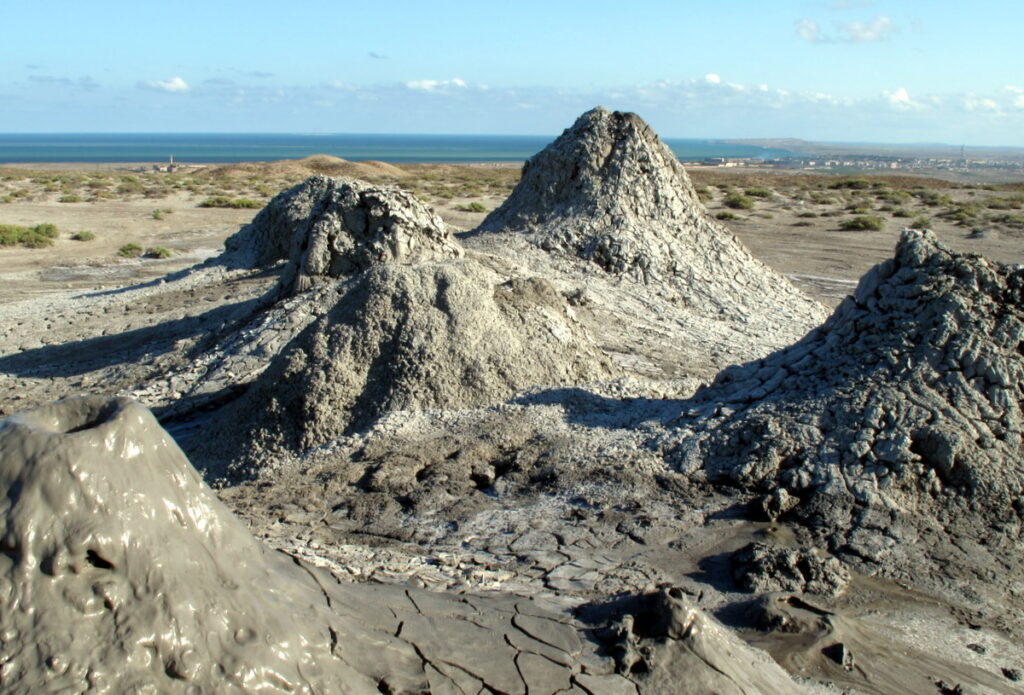
Azerbaijan is frequently considered the mud voclano capital of the world with over 220 in multiple locations, notably, Gobustan National Park and Mud Volcanoes State Nature Reserve. Locally, they also known as “yanardag” or “burning mountains”. These mud volcanoes make up for their relatively small size with their shear numbers. They pack a powerful visual punch, with occasional eruptions that send mud and gas shooting into the air.
1. Indonesia/Java/Papua New Guinea
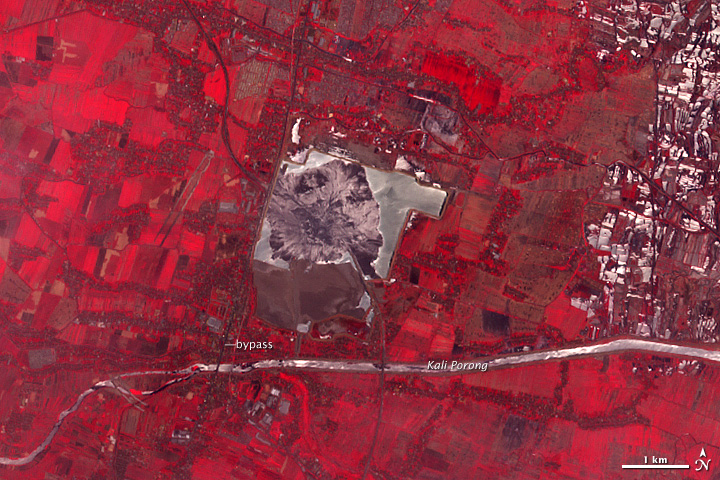
Indonesia itself is home to over 100 mud volcanoes. The most famous being the Sidoarjo Mud Volcano, also known as the “Lusi Mud Flow.” This massive mud volcano erupted unexpectedly in 2006 and continues to spew hot mud to this day, covering villages and farmland in its path. Combined with Java and Papua New Guinea the region hosts over 150 mud volcanoes many of which are quite large.